TRUMP’S TARIFF BLITZ AGAINST BRAZIL

A FULL-SPECTRUM LAWFARE OPERATION

The 50% tariff imposed by Trump on Brazilian exports is not just an economic measure. It is an act of symbolic and legal warfare that mobilizes rhetoric, diplomatic pressure, disinformation, strategic blackmail, and ideological persecution.

When analyzed through the six dimensions proposed by Lawfare4All.org, this tariff attack is a crystal-clear example of how law, diplomacy, and trade can be weaponized into high-impact political tools.


⚖️ 1. Lawfare as Persecution

This tariff can be interpreted as a form of economic persecution disguised as trade policy. The measure was announced shortly after judicial decisions against Trump’s political allies in Brazil and was justified by alleged threats to U.S. democracy—without evidence or basis in bilateral treaties. It is a punitive act aimed at the current Brazilian government and its ideological alignment, with the potential to cause economic suffering across entire sectors of society.

Trade sanctions are being used as a weapon against a democratically elected government, creating an environment of legal and diplomatic intimidation.


🧠 2. Lawfare as Disinformation

Trump frames the tariff as a defense of democracy, but his narrative relies on false equivalencies and calculated disinformation. By linking Bolsonaro’s disqualification to political censorship, he distorts Brazilian legal facts to feed his base with conspiratorial messaging. The rhetoric blends economic nationalism with claims of ideological persecution, creating a disinformative climate that legitimizes abuse of power.

A political maneuver is disguised as moral defense. The result: confusion, division, and polarization.


🎮 3. Lawfare as Game Theory

The tariff move can be seen as part of a non-cooperative game, where Trump uses economic threats as bargaining chips. It is a strategic play designed to:

  • Weaken progressive governments in the Global South,
  • Secure dominance in future trade negotiations,
  • Force geopolitical alignments through economic coercion.

It also signals power to domestic and international allies by showing a readiness to act unilaterally. The measure fuels dynamics of diplomatic extortion and calculated instability.

This is lawfare as blackmail disguised as economic protection.


💰 4. Lawfare as Neoliberalism

While contradicting classical liberal rhetoric, the tariff aligns perfectly with imperial neoliberal logic: using state power not to protect people, but to open or close markets according to corporate and geopolitical interests. By imposing unilateral sanctions, Trump reshapes the field for multinationals, forcing supply chain realignments, shifting investments, and dismantling local resistance to foreign penetration.

This is weaponized neoliberalism: the state intervenes, but only to reinforce hegemony.


🧱 5. Lawfare as Ideology

This measure reflects an ideological project masked as economic neutrality. The “America First” rhetoric hides a revenge agenda against governments that challenge ultraliberal or authoritarian logic. The tariff is a symbolic strike against Latin American integration, the BRICS coalition, and any form of economic sovereignty outside imperial doctrine.

Law is being weaponized to punish dissenting ideologies—this is the core of ideological lawfare.


💣 6. Lawfare as Sabotage

The tariff can also be read as a strategic act of sabotage, aimed at weakening Brazil on multiple fronts:

  • Blocking international trade,
  • Fueling currency instability,
  • Polarizing Brazilian public opinion,
  • Undermining trust with international partners.

This is not simply a strike on exports—it is a blow to Brazil’s political and reputational stability on the global stage. The sabotage is subtle: it operates through legal mechanisms that appear “normal.”

Here, lawfare is silent sabotage disguised as diplomacy.
TARIFAÇO CONTRA O BR

UMA OPERAÇÃO COMPLETA DE LAWFARE

A tarifa imposta por Trump de 50% sobre exportações brasileiras não é só uma medida econômica. É um ato de guerra simbólica e jurídica, que mobiliza retórica, pressão diplomática, desinformação, chantagem estratégica e perseguição ideológica.

Ao analisarmos pelas seis dimensões do Lawfare4All.org, percebemos que o tarifaço é um exemplo cristalino de como a lei, a diplomacia e o comércio podem ser transformados em armas políticas de alto impacto.

⚖️ 1. Lawfare as Persecution

O tarifaço pode ser interpretado como uma forma de perseguição econômica disfarçada de política comercial. A medida foi anunciada pouco após decisões judiciais contra aliados de Trump no Brasil, e se baseia em supostas ameaças à democracia americana – sem provas ou base legal em tratados bilaterais. Trata-se de um ato punitivo, voltado contra o atual governo brasileiro e seus alinhamentos ideológicos, com potencial de gerar sofrimento econômico a setores inteiros da população.

A sanção comercial é usada como arma contra um governo eleito democraticamente, criando um ambiente de intimidação jurídica e diplomática.


🧠 2. Lawfare as Disinformation

Trump utiliza uma retórica de “defesa da democracia” para justificar o tarifaço, mas sua narrativa se ancora em falsas equivalências e desinformação calculada. Ao associar a cassação de Bolsonaro à censura política, ele distorce os fatos jurídicos brasileiros para alimentar sua base com teorias conspiratórias. O discurso mistura nacionalismo econômico com alegações de perseguição ideológica, criando um ambiente desinformativo que legitima o abuso de poder.

Disfarça-se uma manobra econômica sob o véu de defesa moral. O efeito é confundir, dividir e polarizar.


🎮 3. Lawfare as Game Theory

O movimento tarifário pode ser interpretado como parte de um jogo não cooperativo, no qual Trump usa a ameaça econômica como ficha de barganha. Trata-se de uma jogada estratégica que busca:

  • Enfraquecer governos progressistas no hemisfério sul,
  • Estabelecer uma posição dominante nas futuras renegociações comerciais,
  • Forçar alinhamentos geopolíticos por coerção econômica.

É também uma forma de sinalizar poder para aliados internos e externos, ao demonstrar disposição para agir unilateralmente. A medida alimenta dinâmicas de chantagem diplomática e instabilidade calculada.

Lawfare aqui é chantagem disfarçada de proteção econômica.


💰 4. Lawfare as Neoliberalism

O tarifaço se contradiz com a retórica liberal clássica, mas se alinha com a lógica neoliberal imperial: utilizar o poder estatal não para proteger o povo, mas para abrir ou fechar mercados conforme interesses geopolíticos e corporativos. Ao impor sanções unilaterais, Trump reconfigura o campo de atuação de multinacionais, forçando realinhamentos de cadeia produtiva, deslocando investimentos e minando resistências locais à penetração externa.

Neoliberalismo armado: o Estado intervém, mas só para beneficiar a hegemonia.


🧱 5. Lawfare as Ideology

A medida reflete um projeto ideológico travestido de neutralidade econômica. A retórica “América em primeiro lugar” oculta um programa de revanche contra governos que se afastam da lógica ultraliberal e autoritária. O tarifaço é um ataque simbólico ao modelo de integração latino-americana, ao BRICS, e a toda forma de soberania econômica que escape à doutrina imperial.

A lei é instrumentalizada para punir ideologias divergentes – esse é o cerne do lawfare ideológico.


💣 6. Lawfare as Sabotage

O tarifaço pode ser lido como um ato de sabotagem estratégica, pois visa enfraquecer o Brasil em múltiplos níveis:

  • Obstruindo o comércio exterior,
  • Gerando instabilidade cambial,
  • Dividindo a opinião pública brasileira,
  • Minando a confiança em parceiros externos.

É um ataque que não mira apenas os produtos exportados, mas a estabilidade política e reputacional do país no cenário global. A sabotagem não é explícita: ela opera por meio de instrumentos legais, aparentemente “normais”.

Aqui, o lawfare é sabotagem silenciosa com aparência de diplomacia.

Statement of condolence

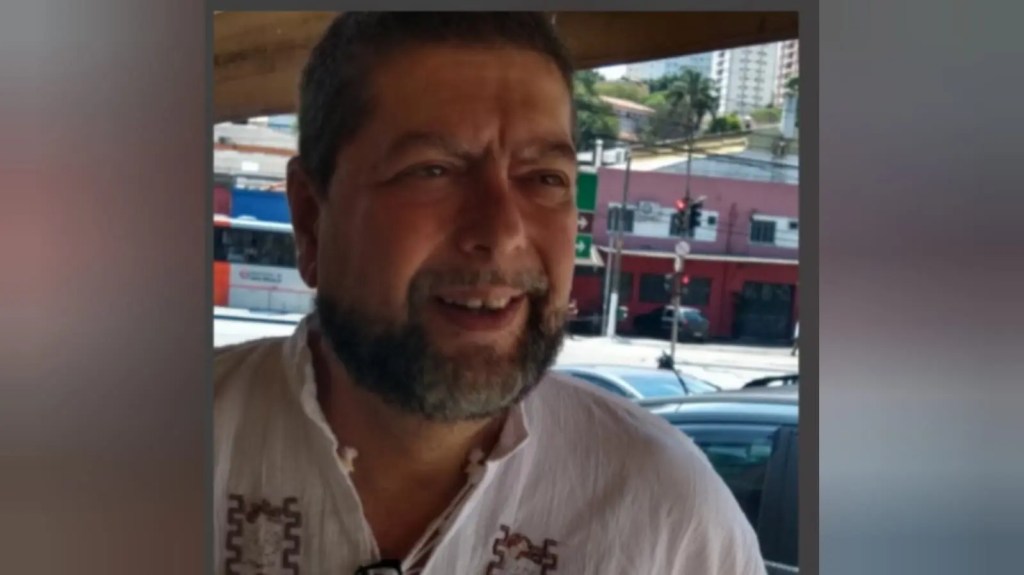
The loss of Maurício Falavigna @maufalavigna represents an irreplaceable void for the digital activist community and all who had the privilege of knowing him. His commitment to democratizing access to technology and information was not limited to speeches—he pioneered public policies and community initiatives that expanded opportunities for thousands of people, especially in underserved areas.

As one of the key figures behind the creation of Brazil’s first telecenters, Maurício turned digital inclusion into a tool for citizenship and social empowerment. His work extended beyond technology, advocating for the use of the internet as a means of resistance, mobilization, and confronting structural inequalities.

His legacy will live on in the ongoing fight for a fairer and more equal society, inspiring new generations of activists, developers, and communicators who believe technology is a right, not a privilege. His impact resonates not only in public policies and the spaces he helped build but also in the heartfelt memories of friends, colleagues, and all those touched by his generosity, intelligence, and unwavering sense of purpose.